

The holiday season often means packed bags, long flights, and unfamiliar sleep environments. For many, this adds a layer of excitement. But for those with undiagnosed or unmanaged sleep apnea, holiday travel can bring unexpected fatigue, poor sleep, and elevated health risks. If you’ve noticed that you feel more tired than usual while traveling or struggle with snoring and disrupted sleep, it could be more than just jet lag.
Konk Sleep offers a fast, online sleep apnea diagnosis process that can help you understand your symptoms before you hit the road. Here’s what to know about sleep apnea and travel, and how you can take action, even in the busiest season of the year.
How Holiday Travel Can Make Sleep Apnea Symptoms Worse
Traveling often disrupts routines, and sleep apnea thrives on inconsistency. Shifts in time zones, sleeping in new beds, consuming more alcohol than usual, and deviating from regular schedules can all make symptoms worse.
When your body doesn’t get consistent, restorative sleep, your airway may be more likely to collapse during sleep, resulting in more frequent apneic events. This can lead to louder snoring, daytime fatigue, and a feeling of never being fully rested, even after a whole night’s sleep.
Travel stress can also increase inflammation and anxiety, both of which are linked to more severe sleep apnea symptoms. For people already struggling with mild symptoms, travel can highlight an issue that’s been developing quietly for months or years.
Tips for Managing Sleep Apnea While Visiting Family or Flying
Whether you’re staying with relatives or navigating a long-haul flight, sleep apnea can make holiday travel feel more draining than festive. The good news is that you can take simple steps to reduce its impact:
- Stick to a bedtime routine. Try to maintain consistent sleep and wake times, even when traveling across different time zones.
- Limit alcohol in the evenings. Alcohol can relax the muscles of your airway, making apneic episodes more likely.
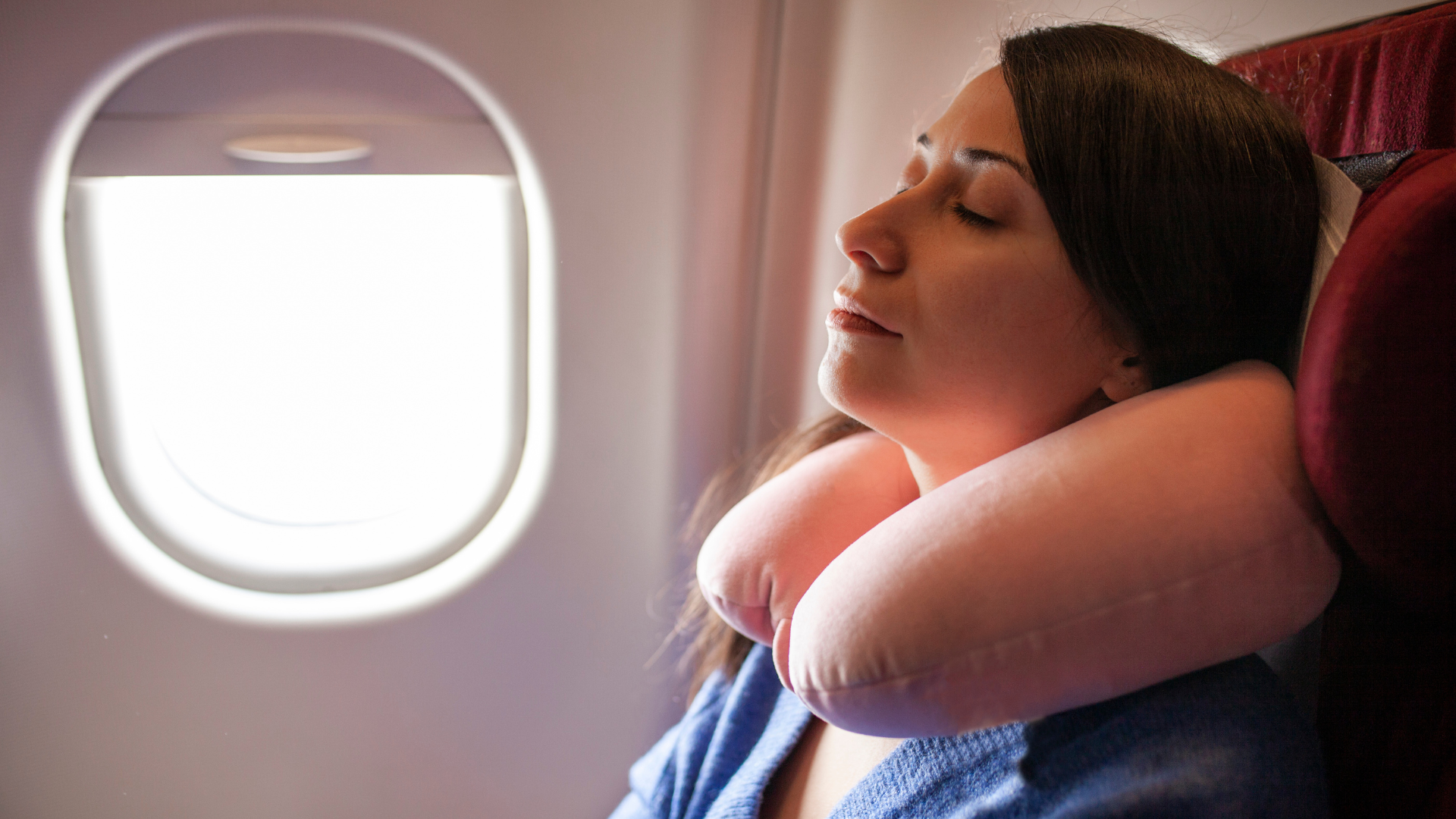
- Choose your sleep environment wisely. Aim for a quiet, dark room. Use a travel pillow to help maintain good neck alignment if you’re sleeping upright during flights.
- Elevate your head while sleeping. Slight elevation may reduce airway blockage, particularly when you’re without access to CPAP equipment.
- Talk to family about your needs. If you suspect you have sleep apnea, ask for a private room or a quiet space to sleep during your stay.
What to Do if You Suspect Sleep Apnea Before a Holiday Trip
If you’re frequently exhausted after sleeping, experience heavy snoring, or often wake up gasping for air, it may be time to consider whether sleep apnea is to blame. Unfortunately, traditional diagnosis methods can be time-consuming, usually requiring months of wait time for a sleep lab referral and in-person testing.
Konk Sleep offers a more modern solution. Their virtual-first model allows you to complete a Digital Clinical Interview online in minutes. From there, board-certified sleep specialists review your responses and provide a diagnosis, typically within one to two business days.
There’s no need to delay your care or fit a lab visit into an already hectic season. If you’re preparing for holiday travel and suspect sleep apnea, you can begin the diagnosis process now and receive guidance quickly, all from the comfort of your home.
Make Your Sleep Health a Priority This Season
The holidays should be a time of connection and joy, not exhaustion and stress. If you’re feeling exhausted while traveling or notice that your snoring is more disruptive than usual, don’t ignore the signs. Sleep apnea can have long-term effects on your energy, mood, and overall health.
With Konk Sleep, you can take the first step toward better sleep with an easy, virtual process that fits into your busy schedule. Whether you’re about to board a flight or planning a road trip to visit loved ones, knowing where your sleep health stands can help you enjoy the season with clarity and energy.